Feb 6, 2026
Employee Handbook Requirements by State (2025 Small Business Guide)
A state-by-state overview of employee handbook requirements for small businesses, including which policies must be written, common compliance mistakes, and how to stay legally protected.
Introduction
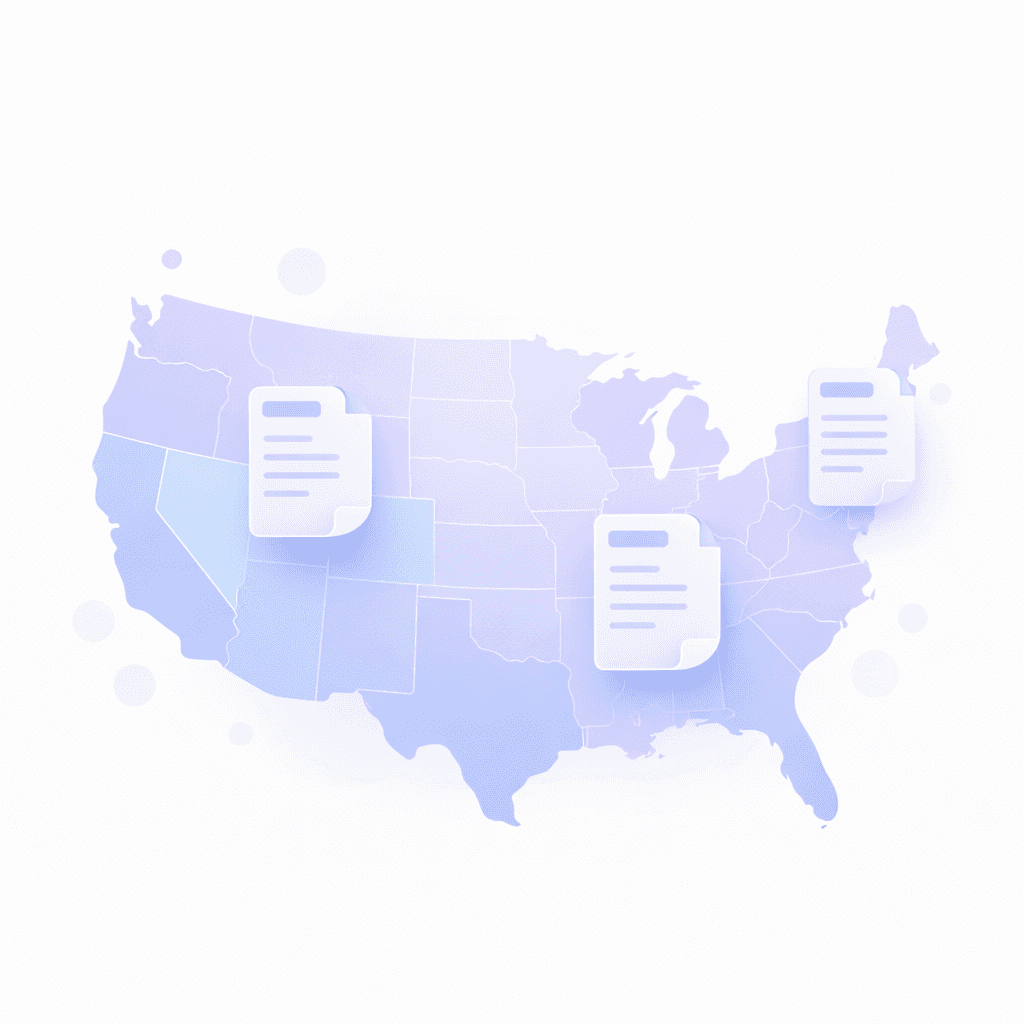
Employee handbook rules are not the same across the United States. While federal employment laws create a baseline, most workplace policies are governed at the state level, which means small businesses operating in different states must follow different requirements.
Failing to include required policies in your handbook can expose your business to fines, disputes, or legal risk — even if the mistake was unintentional.
This guide explains:
How handbook requirements vary by state
Which policies are commonly required
What small businesses must update regularly
How to stay compliant as laws change
Why Employee Handbook Requirements Differ by State
Unlike many other areas of business law, employment law is largely determined by state legislatures, not federal agencies. Each state sets its own rules regarding:
Paid sick leave
Family leave
Wage notices
Harassment training policies
Workplace accommodations
Break and overtime requirements
Because of this, a handbook written for one state may be incomplete or incorrect in another.
Common Policies Many States Require
Although details vary, many states require written policies covering:
• Anti-harassment and discrimination reporting
• Wage and hour rules
• Leave policies
• Workplace safety information
• Complaint procedures
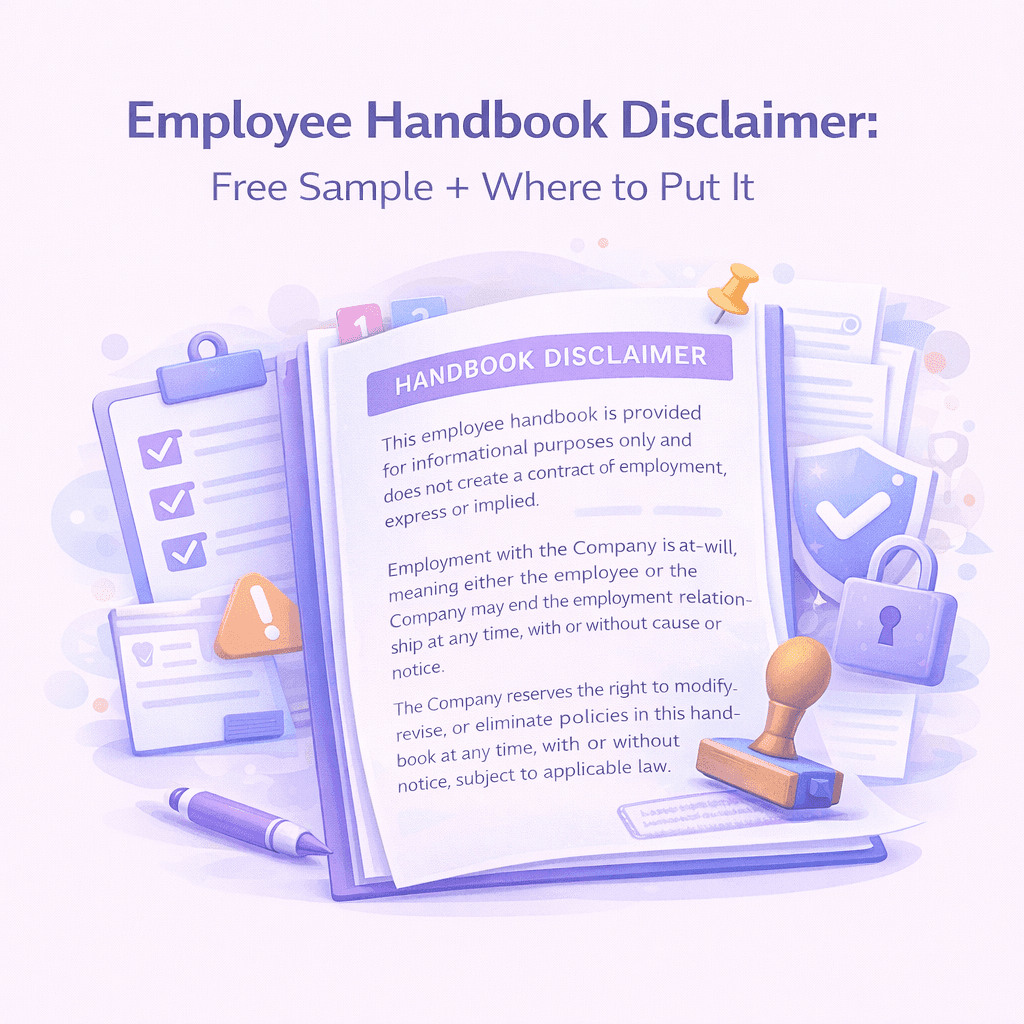
• At-will employment language
Employers are often required to provide these policies in writing, and a handbook is the most reliable way to do so.
Examples of State-Specific Requirements
California
California has some of the most detailed handbook requirements, including:
Paid sick leave policies
Pregnancy disability leave information
Harassment prevention reporting procedures
Meal and rest break rules
Employers must ensure their handbook reflects the most recent state updates.
New York
New York employers must provide:
Sexual harassment prevention policies
Anti-discrimination language
Paid family leave disclosures
Failure to provide these in writing can result in compliance violations.
Texas
Texas has fewer required written policies, but employers must still include:
Workers’ compensation notices
Wage payment rules
Workplace safety policies
Even states with fewer mandates still require clear documentation.
Why Multi-State Employers Need Customized Handbooks
Businesses with remote employees across multiple states face an additional challenge: each employee must receive policies applicable to their own state, not just the company headquarters.
A single generic handbook often fails to meet this requirement, which can create compliance gaps.
How Often Handbook Requirements Change
State employment laws change frequently. Updates to leave laws, pay transparency rules, and workplace protections can occur every year.
Small businesses that rely on old templates often unknowingly operate with outdated policies. Reviewing and updating your handbook annually helps avoid this risk.
The Bottom Line
Employee handbook requirements vary significantly from state to state. Even when a handbook itself is not explicitly mandated, the policies inside it often are.
A state-aware handbook ensures:
Employees receive correct legal disclosures
Policies match current laws
Your business remains protected as regulations evolve
Keeping your handbook accurate is one of the simplest ways to reduce compliance risk while maintaining clear expectations across your team.